
ANOMALITH reviews are split, but not evenly. The named scores run from 2.5 to 7.0: Inven Global 7.0, Shacknews 7, Noisy Pixel 6 and Final Weapon 2.5. Steam buyers sit at Mostly Positive. Metacritic's PC page now carries a Metascore of 69 from seven critic reviews, a Mixed band, and OpenCritic still has a page without an average.
The scores
| Outlet | Platform | Score | Note |
|---|---|---|---|
| Inven Global | PS5 | 7.0 | Reviewed from a preview build |
| Shacknews | PC | 7 | Review code from the publisher |
| Noisy Pixel | PS5 | 6 | Published before launch |
| Final Weapon | PC | 2.5 | Steam code, strongest criticism of the four |
| Steam users | PC | Mostly Positive | 460 reviews, 15 November |
| Metacritic | PC | 69, Mixed | Seven critic reviews on file |
| OpenCritic | — | No average | Page exists, nothing aggregated |
A spread this wide on a mid-budget Japanese release is normal, and it usually means the reviewers disagree about the same handful of systems rather than about whether the game works.
 Official media · Steam
What all four agree on
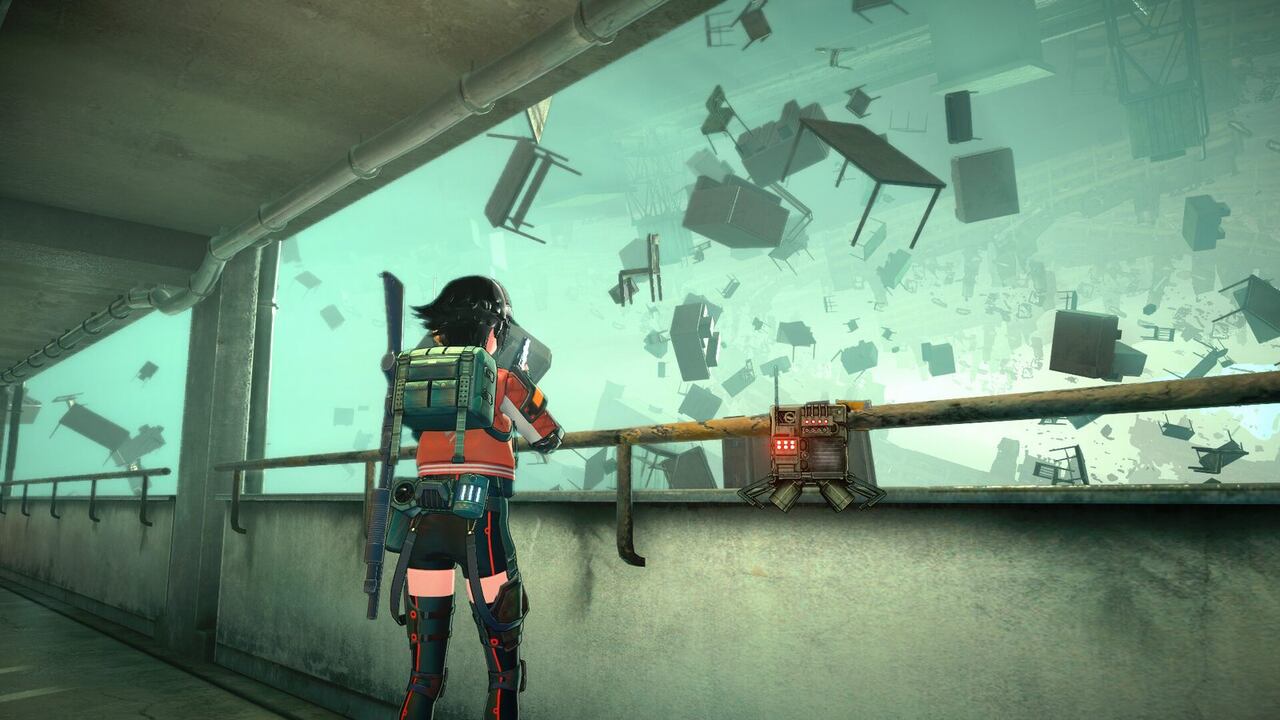
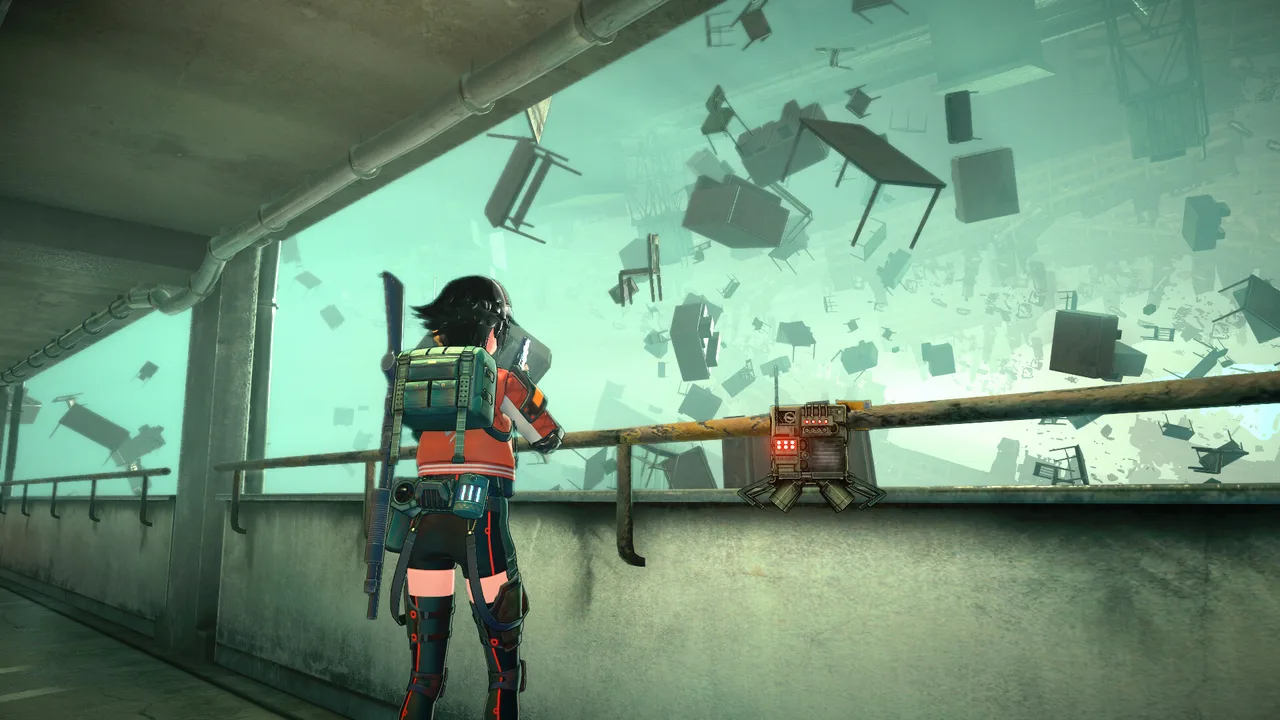
The atmosphere is the one thing nobody argues about. The Showa-era liminal spaces — an inverted-gravity apartment block, a shopping street that keeps extending, corridors that twist — land for every reviewer, including the one who gave it 2.5.
Gunplay gets the second-most agreement. Inven calls the mechanics intuitive and the looting loop immediately rewarding; Shacknews calls it snappy and arcade-like rather than heavy. The recoil and sway give each weapon its own feel instead of sharing one hitbox model.
Shacknews singles out the boss fights as creative and engaging, and the cosmetic system as unusually generous — clothing changes stats, but appearance and stats are separated, so you can wear what you like. Inven credits the characterisation and the music.
What they all criticise
The criticism list is shorter and more consistent than the praise. Three things appear in almost every review.
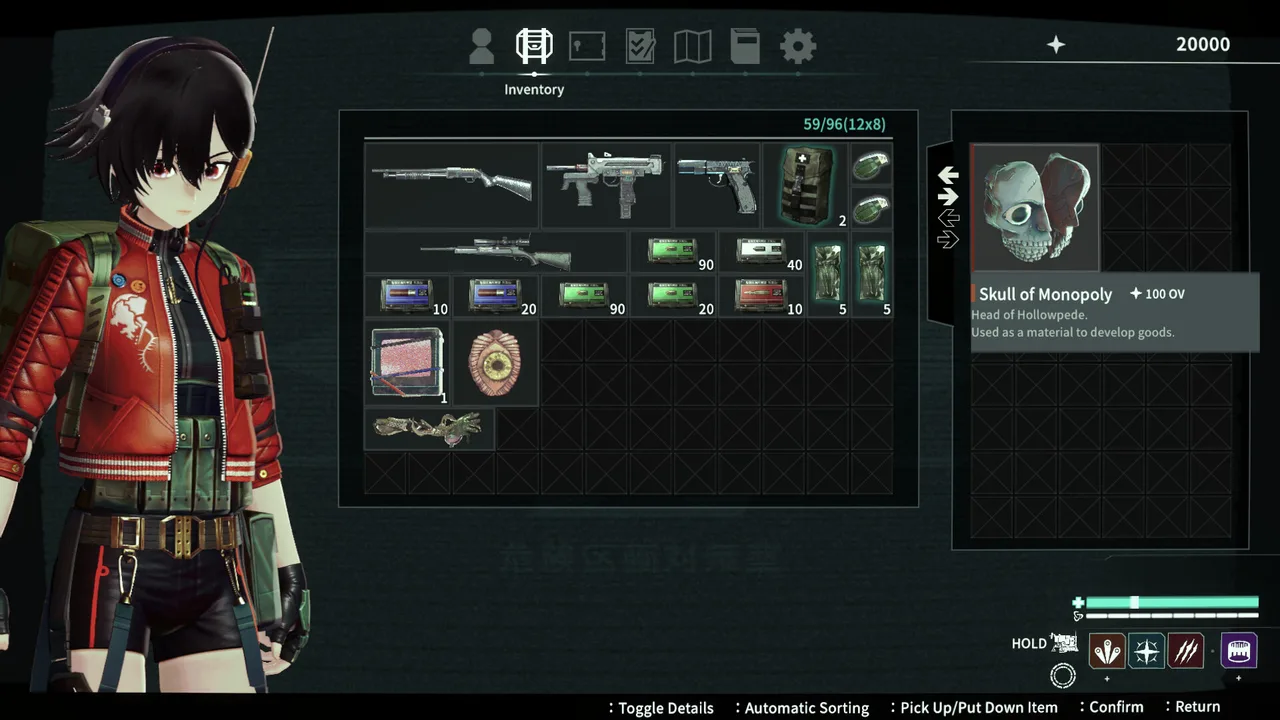
The survival layer is thinner than the marketing. Noisy Pixel's reviewer says storage rarely forces a sacrifice and upgrades can remove much of the challenge. Final Weapon goes further and calls the game hard to recommend at its price. The extraction loop is real, but it stops biting sooner than the premise suggests.
The combat has no dodge. There is no dodge button — avoidance is positioning, backing off, and timing a parry. Inven notes the player character takes a long time to get up after being knocked down, which interrupts the pace. Players coming from action games will feel the absence immediately.
Repetition and late-game fatigue. Shacknews describes revisiting zones to fight the same enemies and manage the same loot for one new piece of side content. Final Weapon reports the level design drops noticeably in the back half. Inven says the same about erratic late-game design.
Add two smaller complaints that show up more than once: the UI explains itself poorly, and enemies move more sluggishly than a modern action game's.
None of the four says the game is broken, and none says it is unfinished. The disagreement is about whether the parts that work are enough to carry the parts that do not, which is a question about taste and price rather than about quality.
 Official media · Steam
Is ANOMALITH bad?
No — but "is it good" is the wrong question for this game. The 2.5 is a real opinion from a reviewer who finished it and found too many bugs and jank to recommend, and the 7.0s are real opinions from reviewers who valued the atmosphere, the gunplay and the story.
The split tracks what each reviewer wanted. Everyone who came for liminal-space horror and anime character drama got it. Everyone who came for a tight extraction economy found the economy loose.
Read the negatives as a description of the ceiling rather than a verdict. A game that scores between 2.5 and 7.0 is one that does something specific well and does not sand off its edges — which is also why it has defenders at all.
The Steam number, in context
Mostly Positive is a reasonable early signal, and it sits between the two critic camps rather than at either end. User reviews at launch skew toward people who bought it knowing what it was, so the figure tends to be kinder than critic scores for niche titles.
It is also the launch window, the least representative stretch in a game's review history. A game with a mixed critical reception usually drifts down as the first wave of enthusiasts is replaced by general buyers, so treat the early figure as a direction rather than a destination.
Why the spread is this wide
Two structural reasons. First, the game is a first attempt at a genre from a studio known for something else — FuRyu's usual output is JRPGs, and ANOMALITH is its first survival shooter. Reviewers are judging a debut, and debuts get graded on two different curves.
Second, the price sits in an awkward band: not full AAA, not cheap indie. Final Weapon explicitly ties its score to price, while Inven frames the same content as a worthwhile pick for genre fans. Same game, different value calculation.
Who should buy it now
Buy it if the setting is the reason you are interested. If the idea of a Showa-era liminal Japan with an anime protagonist and a shotgun is what got your attention, the reviews say that part is delivered, and the demo confirms it for free.
Wait if you wanted a survival horror economy with real teeth, or if you need modern action-game response times. The complaints about the survival layer and the missing dodge are not nitpicks; they are the core of what the game is.
Either way, run the demo first. It is about 45 minutes, it is free, and it answers the two questions reviews cannot: whether the shooting feels right in your hands and whether the atmosphere reads as creepy or merely odd.
Where the numbers stand
The Metascore has arrived at 69 from seven critic reviews, and OpenCritic has not published an average yet. The Switch 2 version has no dedicated technical review yet, so nothing here speaks to how that build performs in practice — the demo is the only way to judge it first-hand.
An OpenCritic average would add a fifth number to the same picture. The named scores, the Metascore and the Steam figure already agree on the shape: divisive, with defenders who came for the setting.