
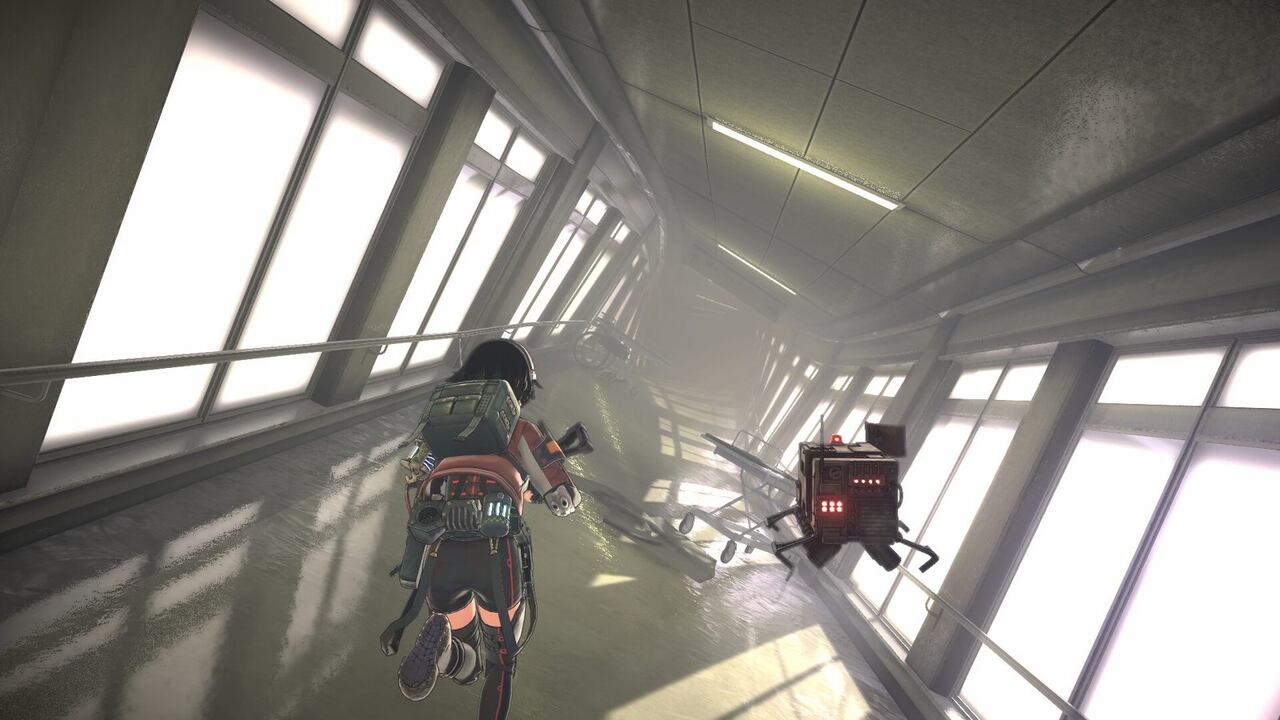
ANOMALITH takes about fifteen to twenty hours to finish. A direct run through the story lands at 10 to 15 hours, a run that picks up the side rooms and the upgrades sits at 16 to 20, and a story playthrough that fights the encounters rather than avoiding them reaches 20 to 25. What moves the number is difficulty, exploration and how much side content you touch.
What a run looks like
| How you play | Hours |
|---|---|
| Straight through the story | 10–15 |
| Story plus side rooms, upgrades and reports | 16–20 |
| Story on default difficulty, retries included | 20–25 |
| Everything, including all reports and outfits | roughly double a story-only run |
The first row is the campaign with the optional rooms left alone. The second is what most first runs turn into, because the zones hand you materials you want and the reports are worth reading. The third is the producer's own figure for a story playthrough, and it assumes you fight the encounters rather than walk past them. The fourth is not a different campaign — it is the same zones, re-entered after the credits.
 Official media · Steam
Why two runs differ by ten hours
Kidokoro's own framing is that the number depends on difficulty. The game ships with adjustable difficulty, which changes enemy behaviour and the cost of a mistake, and a lower setting shortens the campaign by removing the retries.
Exploration is the other variable. Zones have optional rooms, chests and side content, and the review's 16-hour run implies a fairly direct path through them. A player who collects reports and hunts outfit materials will land at the top of the range rather than the bottom.
Reading someone else's number
Community averages appear a week or two after launch, and they lean in a predictable direction: whoever logs a time first is usually the player who finished fastest. Treat an early average as a floor rather than a verdict, and expect it to climb as slower runs are added.
Once it settles, it tends to land below the producer's figure and above the fastest review — which is the same ten-hour spread, described from the other end.
 Official media · Steam
The demo is one to two hours
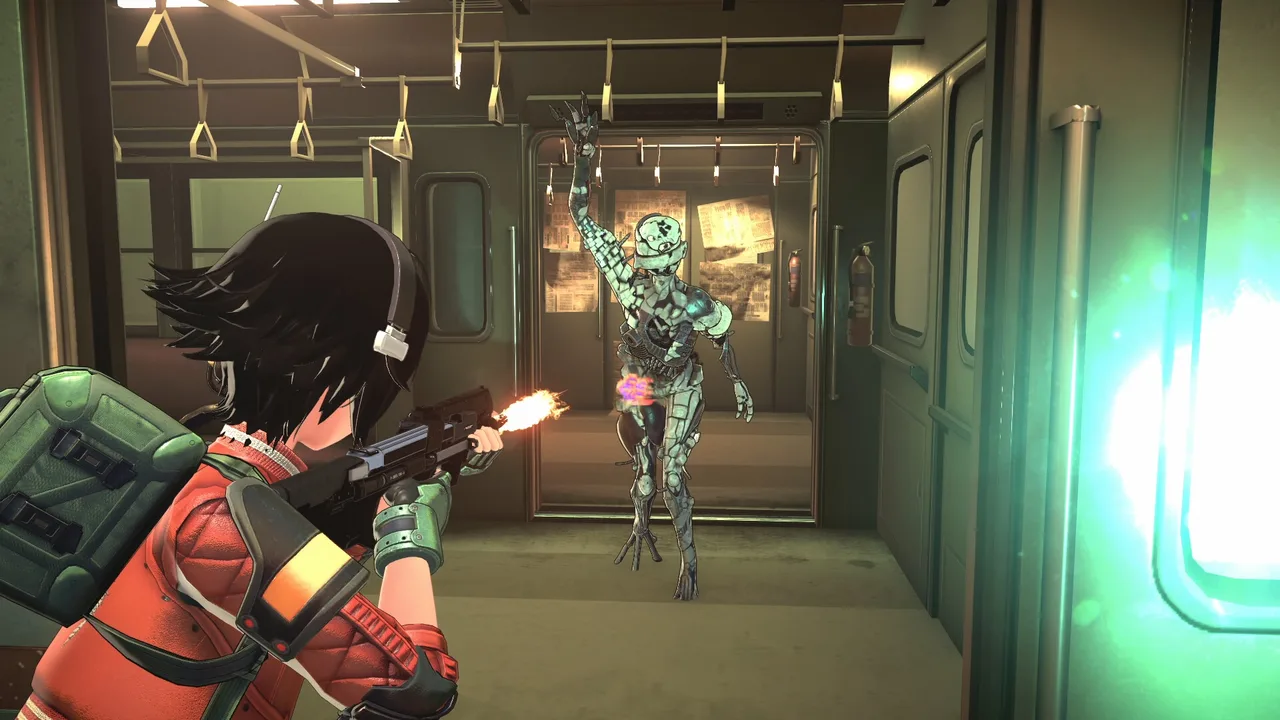
The demo covers the tutorial and a hospital zone with a boss at the end. Hands-on sessions at press events ran about an hour; players who swept the hospital reported closer to two.
That spread is the same exploration effect at a smaller scale, and it is a useful preview of how the full game will run for you: if two hours disappeared into one demo zone, expect the upper end of the campaign range.
There are no multiple endings
In the same Gamersky interview, the producer confirmed the story does not branch into multiple endings. That removes one of the usual reasons to replay a horror game, and it makes every figure above a single playthrough rather than one route of several.
It also means the campaign's length is the campaign's length. There is no second path to justify a second run on narrative grounds.
 Official media · Steam
What stretches a run past the story
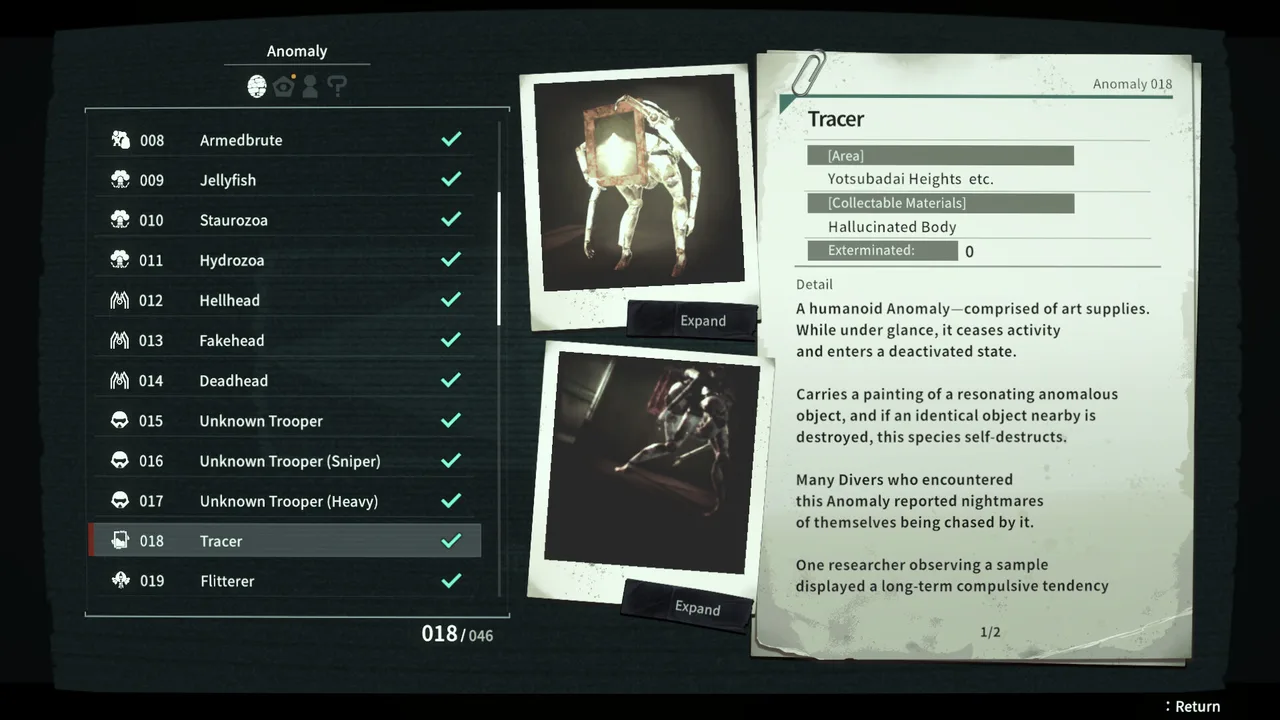
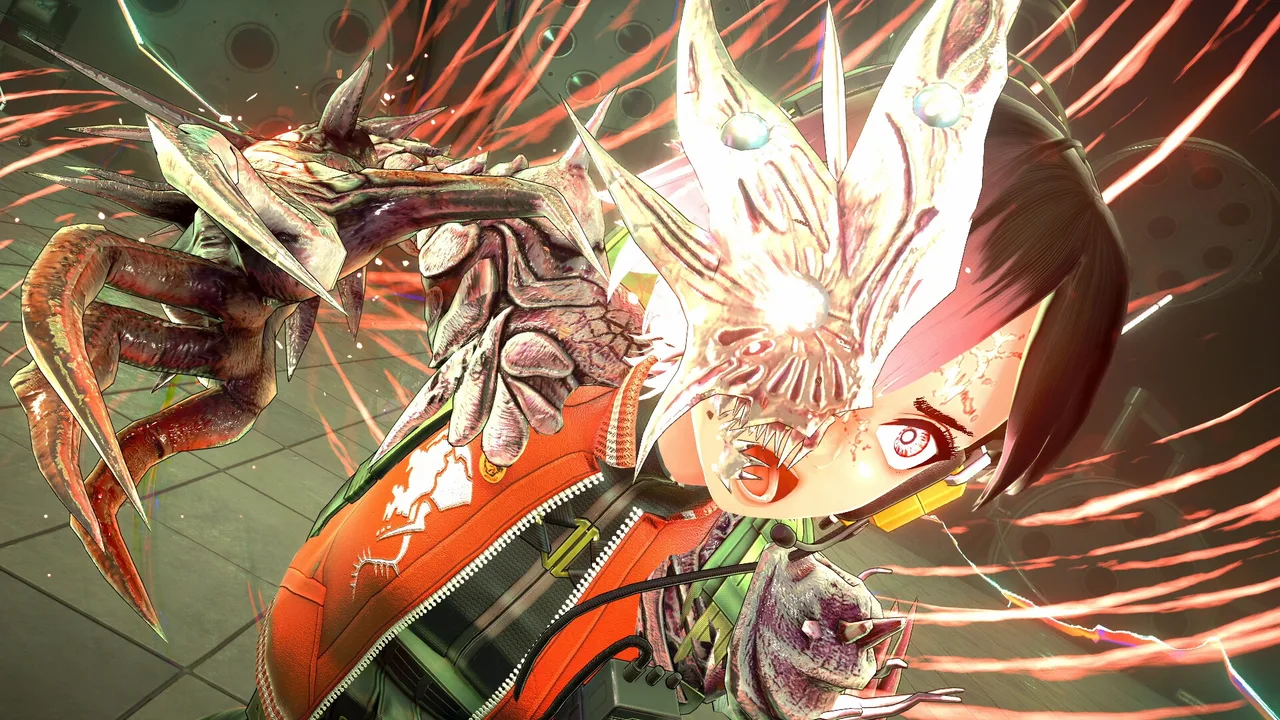
Three systems sit outside the critical path, and all three are in the base game. The twelve Anomalization skills are upgraded with materials from dives, the 200-plus investigation reports are collected across zones, and the 300-plus outfit pieces across nine body parts consume the same materials as weapon upgrades.
None of that adds story hours. It adds the kind of hours that completionists count and story players skip, which is why the honest headline figure stays at 10 to 20 for the main story while the completionist figure is higher without being a different campaign.
How to use the number
If you play horror games once for the plot, budget fifteen to twenty hours and know that a direct run can finish closer to ten. If you play for systems, the campaign is the tutorial for the collection loop, and the hours after the credits are yours to spend.
The demo gives you a personal rate to extrapolate from, which is more reliable than either published figure — one hour in the hospital means a faster campaign than two.
What a short run looks like
A ten to fifteen hour run describes a player who moved through zones with a purpose: clear the objective, take what fits, extract. That pace skips the optional rooms where the reports and the better materials sit.
It is not a speedrun. It is a straight playthrough by someone who had already spent time with the demo and knew how the loop worked before the campaign started.
What pushes it to 25 hours
The producer's 20 to 25 hours assumes a story playthrough on default difficulty, with the retries that implies. Difficult encounters cost time twice: once when you die, and again when you rebuild the supplies you lost.
Exploration is the other multiplier. Zones have side rooms, chests and optional encounters, and the reports that explain enemy behaviour are collected rather than given. A player who reads everything spends hours the reviewer did not.
The collection tail
Beyond the campaign, three systems keep a save alive: twelve skills to upgrade, 200-plus investigation reports, and over 300 outfit pieces across nine body parts. None of them requires a second playthrough, because the zones can be re-entered.
That is the difference between this game and a linear horror campaign. The story ends at a fixed point — the producer confirmed there are no multiple endings — but the save does not.
If you only have a weekend
Ten to fifteen hours fits into a weekend of long sessions. The critical path is short on purpose: every zone's objective is reachable without clearing the zone, so a run that ignores the side rooms moves fast and never stalls.
Fifteen to twenty is a weekend plus a couple of evenings, and it comes from picking things up on the way rather than hunting them — the reports you find, the upgrade materials the enemies drop, the chests that happen to be in the room.
Finishing the collection is a different commitment. The campaign ends at a fixed point, but the zones stay open, and the tail has no ending until the reports and the outfits run out.
Where the time actually goes
The campaign is a sequence of zones with a base between them. Time is spent in three places: fighting, deciding what to carry, and re-running zones for materials you need.
Of those, only the first is what people mean by "playtime". The second is the game's actual subject, and the third is optional — which is why two players can report wildly different numbers for the same campaign.